Profitable Keywords in Saturated Niches: Money Map
Profitable keywords in saturated niches: how I find “money keywords” when everyone else is competing

The first time I saw a keyword with a suggested Cost Per Click (CPC) over $100, I thought I had struck gold. It was in the insurance niche, and the math seemed simple: high CPC equals high revenue. I spent a week crafting what I thought was the perfect guide, hit publish, and waited for the traffic to roll in.
It never happened. The top results were dominated by massive brands with million-dollar budgets and decade-old domain authority. I realized then that finding profitable keywords in saturated niches isn’t just about finding the highest number in a tool—it’s about finding the “profitable middle.”
If you feel stuck because every lucrative term seems taken by giants, you aren’t alone. In this guide, I will walk you through the exact workflow I use to identify winnable money keywords. We will look beyond vanity metrics to find specific, high-intent gaps that big publishers ignore, covering everything from CPC signals and SERP reality checks to executing with EEAT in mind.
What “money keywords” mean in saturated niches (and why CPC alone can mislead)

In the world of SEO, “money keywords” are terms where the searcher has high commercial intent, meaning they are ready to buy, sign up, or hire. Advertisers pay a premium for this traffic, which is why niches like insurance, legal services, and finance are so saturated.
However, high CPC is often a trap for beginners. Think of CPC like rent in a busy shopping mall. High rent means there is high demand for that location, but it doesn’t guarantee your specific shop will make a profit. Just because a keyword like “car insurance” has a high CPC doesn’t mean you can rank for it or that users will click your informational blog post over a “Get a Quote” button.
Instead of chasing the highest number, I look for specific money signals in the SERP (Search Engine Results Page):
- High Ad Density: If there are 4 ads at the top and bottom, advertisers are aggressively bidding.
- Lead-Gen Pages: If organic results are landing pages asking for zip codes or emails, the value is in the lead, not just the click.
- Comparison Intent: Lists of “Best X for Y” suggest users are evaluating options.
- “Near Me” Packs: This indicates local service intent, which requires a different strategy than a national blog post.
My goal is to be the profitable middleman: identifying these high-value areas but targeting the edges—specific problems, micro-audiences, and underserved questions—where I can actually compete.
Where money keywords cluster in the US (with examples)

In the US market, advertiser demand is consistently concentrated in a few key sectors. If you are looking for revenue potential, you will almost always find it here, but the competition is fierce.
- Insurance: Queries involving “quotes,” “rates,” and specific coverage types (e.g., “commercial truck insurance cost”).
- Legal: Urgent, local queries like “accident lawyer near me” or “DUI attorney cost.”
- Finance: High-lifetime-value products like “credit cards for bad credit” or “student loan refinancing.”
- Education: High-ticket degrees such as “online MBA programs” or “nursing certification.”
- Health: Treatment and facility searches like “addiction treatment centers” (Note: This is a strict YMYL category).
- SaaS/Tech: Business software searches like “best CRM for real estate” or “cloud hosting pricing.”
- Real Estate: Agent and listing queries like “sell my house fast” or “realtor fees.”
When I analyze a SERP in these niches, I look for cracks in the wall. If I see a forum thread or a Reddit post on page one amidst the giants, I treat that as a money signal—it means the big players haven’t fully answered that specific question.
Table: illustrative CPC ranges for saturated niches (use as a prioritization hint, not a guarantee)
I use the following table to prioritize which niches to investigate, not to forecast my bank balance. I don’t chase the biggest number—I chase the best tradeoff between value and rankability. Note that these are estimated ranges for the US market and can fluctuate wildly based on location and season.
| Niche | Example Query Pattern | Intent Type | Est. CPC Range (US) | Notes on SERP Competition |
|---|---|---|---|---|
| Insurance | “auto insurance quotes” | Commercial / Lead Gen | Up to ~$140 | Extremely High. Dominated by major carriers. |
| Legal | “accident lawyer near me” | Local / Service | Up to ~$265 | High. dominated by local firms & directories. |
| Education | “online MBA” | Commercial / Lead Gen | $40 – $80+ | High. Universities and major edu-portals. |
| Finance (Gen Z) | “best free budgeting app 2025” | Commercial / Review | $18+ | Medium-High. Fin-tech brands & affiliates. |
| Health | “addiction treatment centers” | Service / Medical | $20 – $100+ | High. Strict EEAT/YMYL requirements. |
Disclaimer: CPC data is directional. Values like $265 for legal terms are outliers for top positions in specific geos. Never build a business model assuming you will capture 100% of that CPC.
My step-by-step workflow to uncover profitable keywords in saturated niches

This is the actual workflow I follow. I used to pick keywords by sorting a spreadsheet by CPC, which usually led to failure. Now, I start with intent and audience, then verify with data. Here is how I break down a saturated market on a Tuesday afternoon.
Step 1: Pick a “money” niche, then narrow to a micro-audience I can actually serve
You cannot launch a general “finance blog” today and expect to rank. The secret is to start broad but immediately slice off a micro-audience. This reduces your competition from “everyone” to “a few specific sites.”
Example Micro-Audiences:
- Gen Z / Students: “Investment apps for college students with no income.”
- Gig Workers: “Health insurance for freelance graphic designers.”
- Bad Credit / Financial Recovery: “Apartments that accept evictions near me.”
- Seniors / Retirees: “Travel insurance for over 70 with pre-existing conditions.”
- Specific Professions: “Tax software for travel nurses.”
By focusing on the modifier (the audience), you often bypass the generic giants who are writing for the general public.
Step 2: Expand into long-tail “problem + modifier” patterns (the fastest way to escape saturation)
Once I have my audience, I apply specific templates to find long-tail keywords. These are the queries where the searcher is describing a very specific pain point. I keep a “cheat sheet” of these patterns because they consistently reveal intent.
- The “How to + Symptom” Pattern: “How to stop eye twitching instantly” (High volume, specific intent).
- The “Best + For + Audience” Pattern: “Best budgeting app for couples sharing finances.”
- The “Cost of + Service” Pattern: “Cost of dental implants without insurance in Texas.”
- The “Alternative” Pattern: “QuickBooks alternatives for freelancers.”
- The “Template” Pattern: “Free commercial lease agreement template California.”
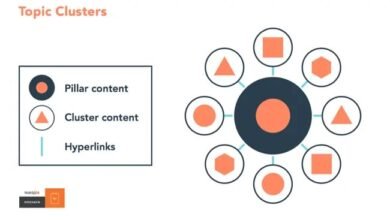
Step 3: Cluster keywords by intent (not just wording) so each article has one job
A common mistake I see—and used to make—is writing five different articles that all target the same underlying question. This cannibalizes your own rankings.
The Rule: One Page, One Promise.
I cluster keywords based on what the user wants to do. If “best cheap car insurance” and “affordable auto insurance reviews” show the exact same results in Google, they belong in one article. I typically group 1 primary keyword with 5–15 close variants. This builds topical authority without confusing search engines.
Step 4: Quick SERP reality check: can a small site win this query?
Before writing a single word, I do a live SERP read. I type the keyword into Google (incognito) and scan the first page. Here is my mental narration:
“Okay, top three results are massive brands (Forbes, NerdWallet). Skip those. Result four is a niche blog I haven’t heard of—good sign. Result five is a Reddit thread from two years ago. Result six is a forum. This suggests the big brands are ranking on authority alone, but users are looking for real discussions. This is winnable.”
My 3-Choice Decision Rubric:
- Publish Now: If I see forums, outdated content (2+ years old), or low-quality AI spam in the top 10.
- Go Narrower: If the top 10 are all high-authority sites, but their content is generic. I refine my keyword to be more specific (e.g., add a location or demographic).
- Skip: If the SERP is 100% homepages of major brands or government (.gov) sites.
Step 5: Use a modern SEO content generator to expand semantic coverage (without losing intent)
Once I have a winning keyword, I need to ensure I cover the topic comprehensively. This is where I leverage technology. I use an SEO content generator to help map out semantic variations and related subtopics.
While AI is incredible for expansion—finding those 20 related terms I might have missed—I never let it dictate the strategy. I use it to generate breadth (variations, FAQs, related entities), but I manually verify that every suggestion matches the original search intent. If the AI suggests “how to change a tire” for a “car insurance” article, I cut it. That’s a different intent.
How I score a keyword’s profit potential: CPC, intent, competition, and monetization fit

I don’t just guess which keywords will make money; I score them. This keeps me honest and prevents me from chasing vanity metrics. My model balances the value of the traffic against the difficulty of getting it.
For example, if I’m looking at “best crypto exchange,” the value is high (10/10), but the difficulty is extreme (10/10). I likely won’t rank. But “how to buy crypto with a prepaid visa card” might have lower volume, but the specific intent makes it valuable and easier to rank for.
Table: the “Profitable Middleman” keyword scorecard (copy/paste template)
I’d rather publish 10 good bets than hunt one “perfect” keyword for weeks. Use this simple scorecard to make fast decisions.
| Factor | What to Check | Score (1-5) | Notes |
|---|---|---|---|
| Advertiser Demand | Are there ads on the SERP? Is CPC >$2? | 1 (None) – 5 (4+ Ads) | High ad density validates money potential. |
| User Intent | Is the user ready to buy or sign up? | 1 (Info) – 5 (Transactional) | “Buy” > “Review” > “How to” > “What is”. |
| SERP Feasibility | Are there forums, weak sites, or outdated posts? | 1 (All Giants) – 5 (Weak Results) | Look for Reddit, Quora, or bad UI. |
| Monetization Fit | Do I have an affiliate/product for this? | 1 (Ads only) – 5 (High $ Affiliate) | Direct offers usually beat display ads. |
| TOTAL SCORE | Sum of above | / 20 | >14 = Go. <10 = Skip. |
Monetization paths in saturated niches (ads vs affiliate vs lead-gen)
If I am new to a niche, I usually start with display ads because they are the easiest to set up, even if the payout is lower. However, matching the monetization to the intent is critical.
- Display Ads (AdSense/Mediavine): Best for high-volume informational queries like “how to fix X” or “what is Y.”
- Affiliate Marketing: Best for comparison and review queries like “best X for Y” or “X vs Y.”
- Lead Generation: Best for service queries like “roofing quotes” or “consulting rates.” (Note: This requires high trust and technical setup).
Executing content that ranks in saturated niches: EEAT, on-page SEO, and “proof of usefulness”

You have the keyword. Now you need to write content that Google trusts enough to rank. In saturated niches, especially YMYL (Your Money or Your Life) categories, quality is non-negotiable.
My 30-Minute EEAT Checklist:
- Author Bio: Do I clearly state who wrote this and why they are qualified?
- Citations: Do I link to government sites (.gov), academic journals, or primary data sources for every statistic?
- Date Stamp: Is the “Last Updated” date visible? (Critical for finance/legal).
- Experience: Do I use “I” statements and share unique photos or screenshots?
What Google rewards in YMYL: accuracy, transparency, and qualified review
When I write about sensitive topics, I write like I am protecting the reader, not just trying to rank. Google’s EEAT guidelines prioritize content that won’t harm the user.
I always include clear disclaimers. For example: “Disclaimer: This article is for informational purposes only and does not constitute financial or legal advice. Consult a professional for your specific situation.” This isn’t just liability protection; it’s a trust signal that shows editorial responsibility.
On-page SEO elements (placed where they matter): titles, headings, schema, and internal links
I don’t stuff keywords. I engineer the page for relevance.
- Title Tag: I front-load the main keyword but add a “hook” (e.g., “Best Budgeting Apps for Students (2025 Review)”).
- Headings (H2/H3): I use these to answer People Also Ask (PAA) questions directly.
- Schema: I add FAQ schema to almost every informational post. If the SERP has a “People Also Ask” box, I want my content to be eligible for it.
- Internal Links: I link to related cluster pages to pass authority, using descriptive anchor text, not just “click here.”
Scaling drafts without scaling fluff: using an AI article generator under editorial control
Consistency is the hardest part of this game. To maintain velocity, I use an AI article generator to handle the heavy lifting of drafting. This allows me to scale my production without burning out.
However, I treat the AI as a junior writer. It produces the first draft based on my strict outline. Then, I step in. I personally rewrite the introduction to add a human hook, I insert my own specific examples, and I verify every single claim. The AI provides the structure and the semantic breadth; I provide the judgment and the voice.
A worked example: turning a brutal niche into winnable “money keyword” clusters
Let’s look at how this plays out in the real world. Suppose I want to enter the highly saturated personal finance niche.
The Wrong Way: Target “best credit cards.” (Impossible to rank).
The Right Way (Micro-Niche): Target “financial tools for Gen Z gig workers.”
I would perform keyword research specifically for this demographic. I might find “best tax app for doordash drivers” or “how to budget with irregular income student.” These are long-tail, high-intent, and underserved.
For a micro-health example (informational), instead of “eye health,” I target “how to stop eye twitching instantly.” It has volume (18,000+ searches/month), clear intent (solve a problem now), and allows for monetization via display ads or eye-care affiliate products.
Table: keyword cluster → intent → article type → monetization → EEAT load
This is how I map out my content plan before writing. Note the “EEAT Load” column—it reminds me where I need to be extra careful with citations.
| Keyword Cluster | Intent | Article Type | Monetization | EEAT Load |
|---|---|---|---|---|
| “best tax app for doordash” | Commercial | Comparison / Review | Affiliate | Medium |
| “how to file taxes doordash” | Informational | How-to Guide | Display Ads | High (Legal/Fin) |
| “doordash mileage tracker” | Commercial | Listicle | Affiliate | Low |
| “stop eye twitching instantly” | Info / Problem | Troubleshooting Guide | Display Ads | High (Medical) |
| “eye vitamin supplements” | Commercial | Review | Affiliate | High (Medical) |
Common mistakes I see beginners make (and how I fix them)
I have shipped pages that flopped hard. Usually, it was because I ignored one of these fundamentals. Here is how to avoid my past mistakes.
- Mistake: Chasing Head Terms.
Why it hurts: You will never rank for “insurance” or “credit cards” without millions in backing.
Fix: Go longer-tail. Use the “Problem + Modifier” patterns from Step 2. - Mistake: Ignoring Search Intent.
Why it hurts: Writing a blog post when users want a calculator means high bounce rates.
Fix: Always do the “SERP Reality Check” (Step 4) to see what Google is actually rewarding. - Mistake: Mixing Intents.
Why it hurts: Trying to sell a product and teach a concept in one messy paragraph confuses the user.
Fix: Cluster strictly. One page, one promise. - Mistake: Underestimating EEAT in YMYL.
Why it hurts: Google will de-index or bury medical/financial content that lacks credible sourcing.
Fix: Add citations, author bios, and clear disclaimers. - Mistake: Relying on Raw AI.
Why it hurts: Generic content gets generic rankings.
Fix: Use AI for drafting, but inject personal experience and verified data manually.
FAQs: profitable keywords in saturated niches (quick answers for beginners)
What exactly are money keywords?
Money keywords are search terms with high commercial intent and advertiser demand, often indicated by high CPC or lead-gen results.
Can I really compete in saturated niches like insurance?
Yes, but not head-on. You compete by targeting micro-niches, local queries, or specific long-tail questions that major brands ignore.
Do I need to be a doctor to rank for health keywords?
Not necessarily, but you must demonstrate high EEAT. Use expert reviewers, cite reputable medical journals, and avoid giving medical advice.
How does AI fit into keyword research?
AI is excellent for expanding keyword lists and finding semantic variations, but human judgment is required to verify intent and difficulty.
How should I prioritize which niche to start with?
Start where you have some genuine interest or experience. It is easier to build authority when you actually understand the user’s problem.
Next steps: my 30-minute plan to find profitable keywords in saturated niches (and publish with consistency)
You have the map. Now you need to move. Don’t get stuck in analysis paralysis. Here is a practical plan you can execute today:
- Pick one micro-niche: Don’t just say “finance.” Say “finance for dental students.”
- Generate 10 long-tail ideas: Use the “How to” and “Best for” templates.
- SERP check the top 3: If you see a forum or a weak blog, green light it.
- Draft the content: Use a Bulk article generator to build your initial drafts efficiently, then spend your time editing for EEAT and specific value.
The goal isn’t to be perfect; it’s to be present. Publishing consistently with a smart strategy beats waiting for the perfect keyword every time.