
Learn how to choose an SEO audit agency: review sample reports, Core Web Vitals, AI methods, pricing, and red flags—no guaranteed rankings.
Technical SEO
Practical technical SEO content focused on the foundations that help content get discovered, understood, and ranked reliably.
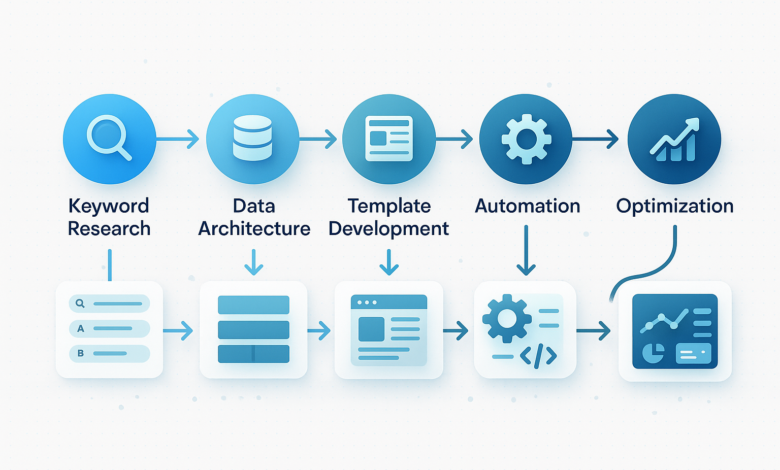
Learn a hybrid, schema-first programmatic SEO playbook—templates, QA, and GEO tactics—to win long-tail demand even with AI overviews.
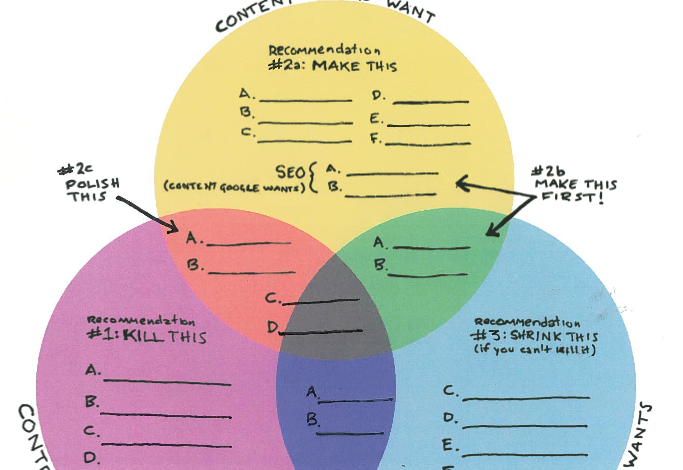
Use this content audit framework to decide what to refresh, merge, or delete—protect domain trust, boost rankings, and improve AI visibility.

Use a canonical tag checker to audit duplicates, fix miswired canonicals, and protect crawl budget—plus what to do when Google chooses another URL.
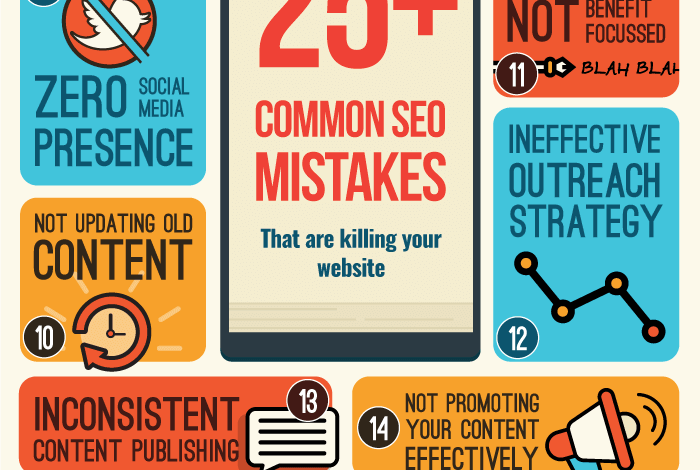
Stop trusting tool scores. Learn 10 SEO audit mistakes—cannibalization, intent mismatch, weak internal links, AI extractability—and how to fix them.

Optimize images for SEO in 2026: alt text (80–125 chars), descriptive filenames, WebP/AVIF, srcset + lazy-load, WCAG rules, and AI-ready scaling.
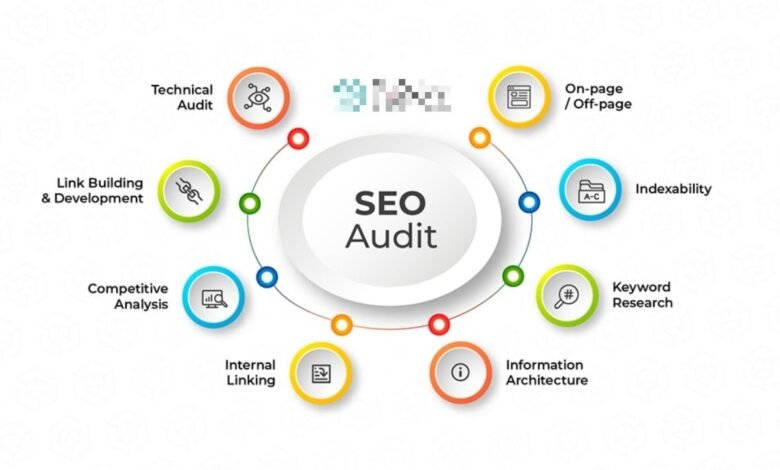
See the ROI of SEO audit: find technical, content, and AI-readiness fixes to prevent ranking drops and reallocate spend to what converts—yearly.
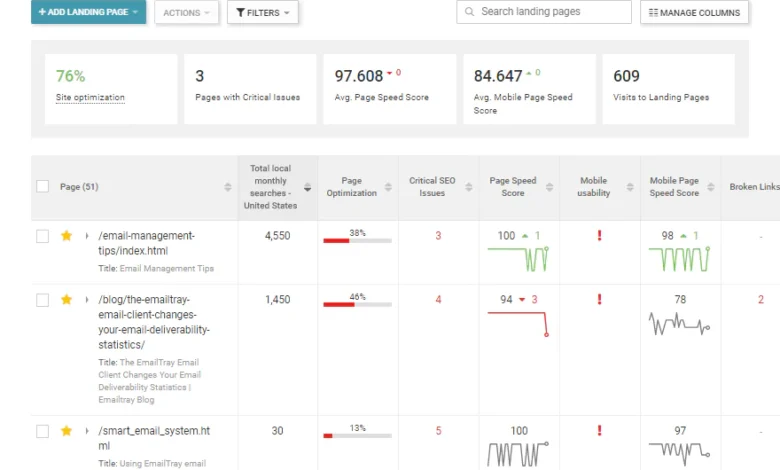
How often should I audit my website? Build a growth-based audit calendar: monthly technical checks, quarterly content/link reviews, plus post-change audits.
Use this SEO audit report template to turn findings into a client-ready story—prioritized fixes, owners, deadlines, and a pitch-closing roadmap with ROI.
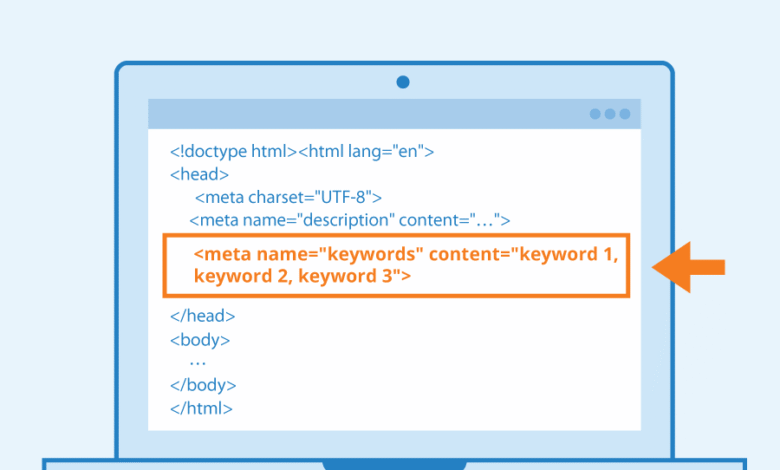
Do meta keywords still matter? Google dropped them in 2009. Learn why “0” is best, when legacy tags linger, and what to optimize instead.